Top 15 Best Starbucks Drinks
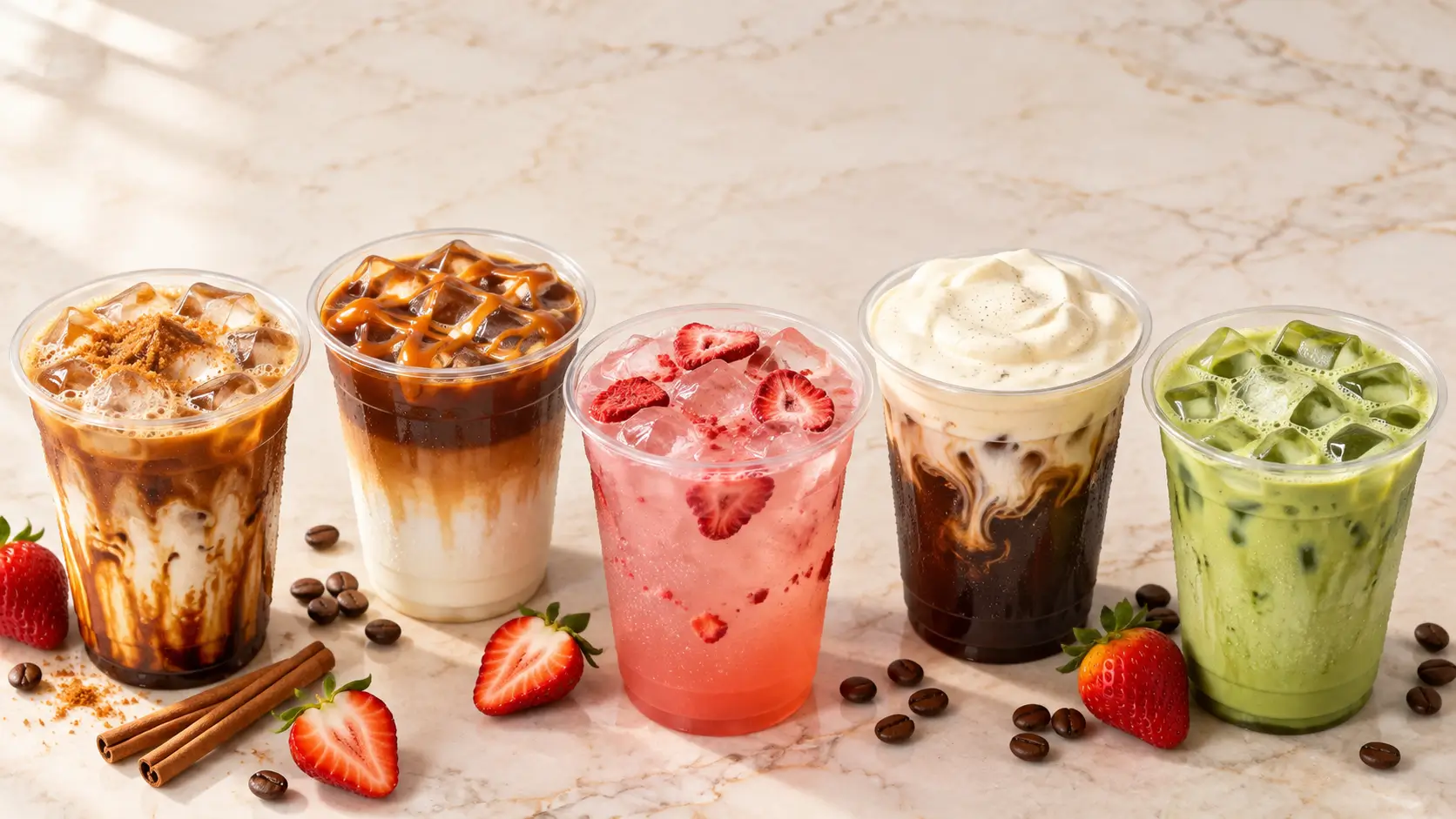
The 15 best drinks ranked, with calories, caffeine and the exact words to order.
Read more →Starbucks Menu
A latte that is “dairy-free” for one person can be a real problem for another. If you are lactose intolerant, a trace of milk may only cost you an uncomfortable afternoon. If you have a milk allergy, the same trace can be dangerous. This guide is written for both groups: which drinks and add-ons are free of dairy ingredients, which popular ones quietly are not, and how to order so the barista gets it right.
Menus change often and every store runs a little differently, so treat this as a map, not a guarantee. Check the ingredient list in the Starbucks app before you pay, and browse the full Starbucks menu with prices to compare options.
The two conditions need different levels of care.
Lactose intolerance means your body struggles to digest the sugar in milk. Many people with it can handle tiny amounts, so a drink made with oat milk in a pitcher that was rinsed after dairy is usually manageable.
Milk allergy is an immune reaction to the proteins in milk, mainly casein and whey. Even small traces can trigger symptoms, so the ingredient list is only half the story: cross-contact matters just as much. If you have a diagnosed allergy, your allergist is the right person to say how much risk is acceptable at a coffee shop.
In the U.S., Starbucks offers four plant-based milks: almond, coconut, oat, and soy. At most company-run stores in the U.S., Canada, and the U.K. there is no extra charge for swapping. Some licensed locations, such as those in airports, grocery stores, or hotels, may still add a fee, so glance at the price before you confirm.
Two details trip people up:
Here is the shortcut experienced dairy-free customers use: thin syrups are almost always free of dairy ingredients, while thick sauces and creamy toppings are where milk tends to hide. It is a useful rule, but the exceptions are what catch people out.
| Generally fine to add | Contains dairy: skip it |
|---|---|
| Vanilla, hazelnut, toffee nut, brown sugar, cinnamon dolce, peppermint, raspberry, and toasted coconut syrups | White chocolate mocha sauce |
| Mocha sauce (yes, really) | Caramel sauce and caramel drizzle |
| Strawberry purée and all refresher bases | Pumpkin spice sauce (every pumpkin drink) |
| Matcha blend, cinnamon, nutmeg, cocoa powder | Pistachio sauce and pistachio cream |
| Non-dairy cold foams (oat and soy base) | Standard cold foam, vanilla sweet cream, whipped cream |
| Caramel brûlée topping (the crunchy bits) | Caramel brûlée sauce |
| Pumpkin spice topping (basically spices) | Cinnamon dolce topping (the sprinkle, not the syrup) |
| Chai concentrate (dairy-free, but contains honey, so not vegan) | Frappuccino chips, whey protein cold foams, eggnog |
The same flavor name often appears on both sides. Cinnamon dolce syrup is fine; the cinnamon dolce topping is not. That is why “no whip, no topping” shows up in so many safe orders.
Order any of these with the plant milk of your choice:
Plain brewed coffee, espresso, and unsweetened tea are naturally dairy-free as long as you add nothing. For more, see our coffee and espresso list.
Iced drinks are the friendliest option for dairy-free customers, and not only for flavor; the cross-contact section below explains why.
Watch out for look-alikes on the regular menu: cream-topped drinks such as the Vanilla Cream Cold Brew use dairy sweet cream unless you ask for the non-dairy version, and a standard Iced Caramel Macchiato cannot be made dairy-free without losing its caramel drizzle.
Most Frappuccinos can be made without dairy: swap the milk and say “no whip.” Coffee, mocha, vanilla bean crème, and matcha crème all work. For the mocha cookie crumble version, ask for no Frappuccino chips as well, because the chips contain milk. Skip the caramel ribbon crunch and pistachio versions, which depend on dairy for their signature flavor.
Seasonal menus change faster than any guide can follow. In this fall’s lineup, the pecan crunch lattes, banana bread lattes, and Iced Chaider can be ordered dairy-free with the right swaps, while every pumpkin drink cannot, because the dairy sits in the sauce itself. Ask the barista, or tap the drink in the app and read its ingredients.
Saying exactly what you want, in the order the barista expects it, cuts down on mix-ups:
If your allergy is serious, add one more sentence: “This is for a milk allergy.” That phrase changes how a good barista handles the drink. Want to know what your custom order adds up to? Use the calorie calculator or the nutrition calculator.
This is the part that matters most if you have an allergy. Starbucks makes drinks on shared equipment. In 2018 it stopped marking steaming and blending pitchers as dairy-only, explaining that the same pitchers are used for many drinks. Each drink is meant to get a rinsed pitcher, and customers can ask for a fresh one, but Starbucks says plainly that this does not guarantee an allergen-free drink.
Ways people reduce the risk:
If you still feel uneasy about a particular store’s setup, trust that feeling. Staff training and how busy the store is both vary from one location to the next, so it can help to check a store’s hours and visit at a quieter time. You can also look up a nearby location.
The dairy-free food menu is limited and changes by region:
Most pastries, egg patties, and many sandwich breads contain milk, and the Impossible breakfast sandwich is only dairy-free in its patty. Items that are warmed or toasted share ovens and tongs with cheese-containing foods, so allergy sufferers may prefer sealed items. Browse the breakfast menu to see what else is offered.
Social posts about Starbucks are a good source of order ideas and a poor source of ingredient facts. These three come up constantly:
Yes. Based on current published ingredient guidance, the regular mocha sauce does not contain dairy. The white chocolate mocha sauce does.
Most flavored syrups are, including vanilla, hazelnut, toffee nut, brown sugar, and cinnamon dolce. Sauces and toppings are where dairy usually appears, so check those individually.
At most U.S. company-run stores, no. Non-dairy sweet cream and cold foam usually still cost extra, and some licensed stores may charge for the swap. Compare current prices on our menu page.
Yes. It is made with coconut milk, so it is dairy-free without any changes, though it is not suitable if you avoid coconut.
Not in the U.S. A plant-based version has been tested in North America and is sold in the U.K., but it is not a regular U.S. menu item.
Starbucks does not promise allergen-free drinks, because equipment is shared. Many people with serious allergies stick to plain coffee, tea, or sealed packaged items. Your allergist can tell you what level of risk is right for you.
Yes. Oat milk is plant-based, so it contains no lactose or milk protein, though it can contain gluten traces and is often blended with soy in Starbucks’ non-dairy cold foams.
Ordering dairy-free at Starbucks comes down to three checks: the milk, the sauce, and the topping. Syrups are usually safe, sauces and creams usually are not, and a drink built in the cup carries less cross-contact risk than one steamed or blended. For lactose intolerance, that knowledge is usually enough. For a milk allergy, add the conversation with your barista and your own judgment about the store.
This article is for general information only and is not medical advice. Ingredients, recipes, and store practices change without notice. Confirm current ingredient and allergen details in the Starbucks app or with store staff, and talk to your doctor or allergist about your own situation. This site is not affiliated with Starbucks.
The 15 best drinks ranked, with calories, caffeine and the exact words to order.
Read more →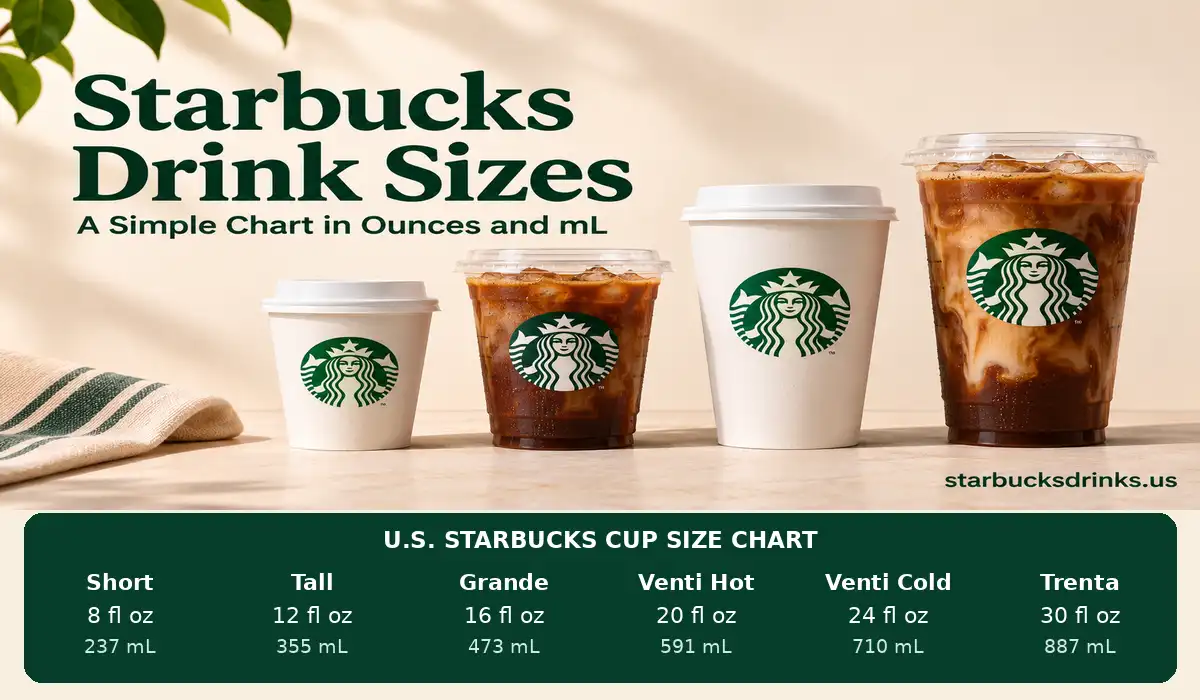
Short, Tall, Grande, Venti and Trenta in ounces and ml — and which size to pick.
Read more →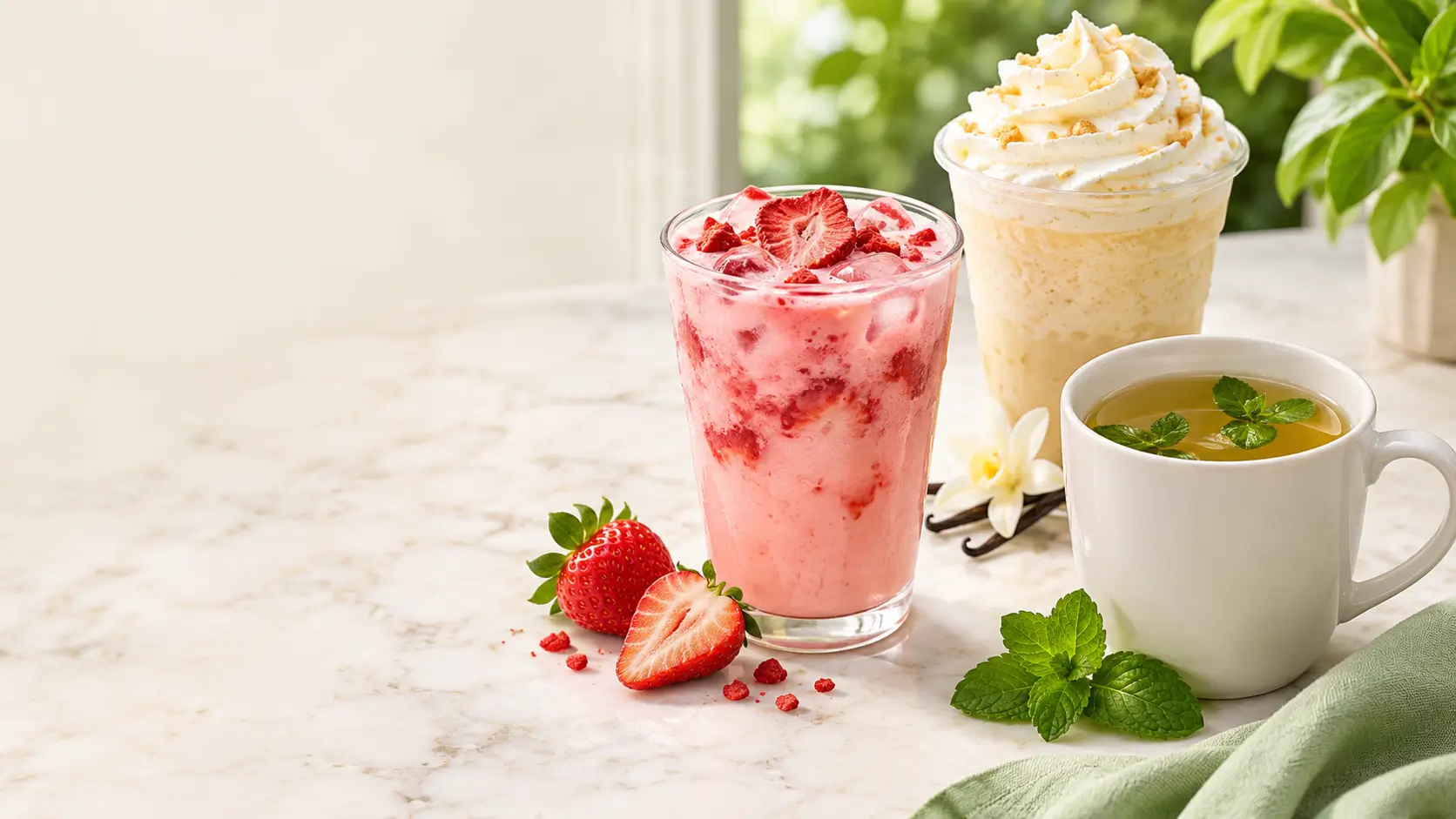
Every caffeine-free drink on the menu, from refreshers to crème frappuccinos.
Read more →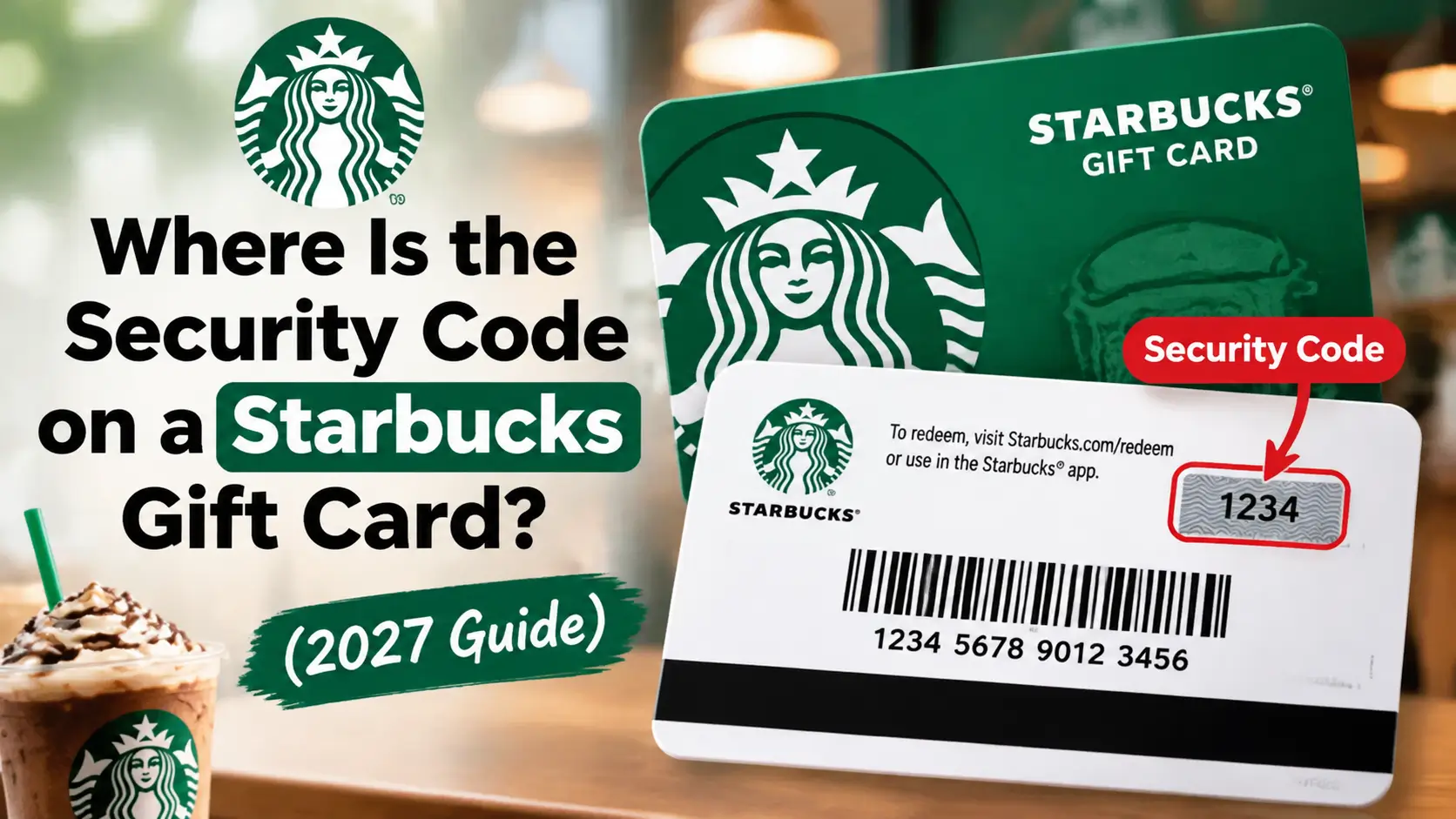
Where to find the security code on a physical card or eGift — and how to use it.
Read more →